|
|
 |
Greetings From The Arrupe Coordinator |
|
|
Greetings all, and welcome to the second newsletter of 2025!
So much has happened since our last newsletter. We have had the passing of our beloved Pope Francis and the subsequent election of Pope Leo XIV. Sadly, we have also witnessed the escalation of violence in the middle East, and Ukraine. When we look at what is happening around the world right now, I think we are all in need of a ‘hope transfusion’! Just when we think things couldn’t get any worse, the bad news keeps piling on.
So how do we maintain genuine hope in such a context? And, what is hope anyway? Hope is a notoriously difficult virtue to pin down and explain. Perhaps hope is best communicated and elucidated by pointing to those who are an embodiment of Christian hope – which is what this newsletter aims to do.
We begin with a lovely story that involves a certain Robert Francis Prevost, who, of course, is now our new pope! This is followed by a powerful excerpt from a talk given by Pedro Arrupe SJ on hope. Then we have a series of podcasts, book suggestions and articles, all of which (in a multitude of ways), engender a spirit of hope in the heart.
We trust you will find something to nourish your spirit and generate that deep hope that is essential to our pilgrimage with, and towards God.
|
|
|
|
|
|
|
Dining with the Future Pope |
Let us not forget that Jesus asked his disciples to pay attention to details.
The little detail that wine was running out at a party.
The little detail that one sheep was missing.
The little detail of noticing the widow who offered her two small coins.
The little detail of having spare oil for the lamps, should the bridegroom delay.
The little detail of asking the disciples how many loaves of bread they had.
The little detail of having a fire burning and a fish cooking as he waited for the disciples at daybreak.
- Pope Francis, Gaudete Et Exsultate No.144
|
As I grow older, I am coming to believe that hope is found in paying loving attention to the small details of life, (in the here and now), not in grand aspirational ideas or dreams. Last week, while scrolling through my phone looking for a good podcast that might accompany me on my regular walk, up came an Irish program from RTÉ 1 (Irish radio) called ‘Sunday Miscellany’. This program has been a staple of Irish radio for over 55 years. My mother liked the program, so I remember hearing it as a little boy. I haven’t listened to the program since then. “Well,” I thought, “if not now, when?” So, I tuned in to the latest episode. Listening to the first
story filled me with so much hope and gladness that I immediately wanted to share it with everyone.
The little vignette was called, “Dining with the Future Pope”. Here it is! (You might enjoy this story even more if you listen to it).
|
|
|
Dining with the Future Pope
When the white smoke billowed from the chimney in St. Peter's Square, I leaned in towards the television, watching the live announcement of the new pope. His name is Robert Francis Prevost, announced the RTÉ correspondent. Scenes of the crowd followed, cheering, crying, waving flags, as a calm man in red robes stepped onto the balcony and gazed down at the people below and out to the watching world.
|
|
|
I turned to my daughter who was sitting beside me. I know him, I said. Who? She
asked. That priest, the Pope, I know him. And so, I began my story.
It was September 2004. I had just turned 25 and had flown to Rome with my fiancée to get married at the Pontifical Irish College, a beautiful oasis tucked behind tall black gates on the Via di Santi Quattro. It was a popular place for Irish couples to wed.
When we arrived, we were greeted, not by the stern, elderly Italian priest as I had imagined, but by a warm, smiling American with a soft voice. “You can call me Father Rob,” he said. He was from Chicago.
I was surprised, but pleasantly so. Father Rob welcomed us in, and the ceremony began. Afterwards, we stepped out into the sunlit grounds of the Irish College, where we posed for photos on the stone steps on front of palm trees and lush plants.
My parents and new in-laws stood beside us, all of us lining up with Father Rob as the college's resident photographer captured the moment. I wore a simple dress I'd bought from Debenhams in Belfast. I stood there beaming, feeling like my whole life was just beginning.
Father Rob walked over to me and leaned in. “So, where are you guys going for your wedding dinner?” He asked, glancing towards our chattering parents.
“Oh”, I said, suddenly realizing there was nothing booked. Yes, unlike many brides who micromanage every detail of their big day, from monogrammed napkins to colour-coded seating charts, I had forgotten to even arrange a wedding meal, completely. Father Rob smiled, then chuckled and gently placed a hand on my shoulder.
“Tell you what”, he said, “would you like me to make a call and book somewhere lovely? I know the perfect little place”. “Yes, please”, I said, flooded with relief.
“And how will we get there”, I asked? “Don't worry”, he beamed, “I'll take care of everything”. The heat was rising, and people were starting to get hungry and restless.
Then, like a scene from a movie, two sleek black cars pulled up in front of the church, and Father Rob extended his arms dramatically. “Your carriage is waiting”. We all laughed and climbed in, Father Rob included, and began our drive out of the ancient city.
We passed the Colosseum weaving through the chaotic Roman traffic, and there I was, a brand new bride, on her way to a wedding reception I hadn't planned, all arranged by Father Rob. We left the city and drove up a tree-lined hill, arriving at a beautiful restaurant, nestled among Rome's grassy hilltops. Inside, long tables were dressed in starched white linens. Polished silver cutlery and bunches of roses decked the tabletops. We were seated and food began to arrive. Delicious course after course. Cold meat platters with smoked cheese and olives on wooden boards, fresh pastas, sliced boiled eggs, salads drizzled in local olive oil and grilled fish. This followed by square plates of creamy tiramisu and pear and almond tarts. Red wine and water flowed freely. The
room filled with laughter, and we ate like kings. I recall the restaurant roof being made of transparent perspex, with water from hose pipes cascading over it to keep the space cool. Father Rob mingled with others in the restaurant and then sat among us sharing stories of his work in Rome. We exchanged tales of our own lives in Ireland. The high noon sun lowered in the sky. My father paid the bill, and we all left happy.
When we finally returned to our hotel, my new mother-in-law held on to my arm and said impressed. You picked the most beautiful spot for your wedding dinner. I smiled and said nothing.
As I told this story, my daughter was listening intrigued. “So, that's him”, she asked, clearly amazed, pointing at the television screen as the new Pope stood proud and composed on the Vatican balcony. “That's right”, I said. Father Rob, the priest for my wedding day, is now Pope Leo XIV. Who would have thought? I rang my parents who were watching the live announcement as well. We had a good laugh remembering how on a hilltop in Rome, we'd unknowingly dined with the future Pope. We also joked about how I hadn't even booked a wedding meal. Some things never change, commented my daughter.
Twenty-one years later, five beautiful children fill my kitchen with joy and laughter, and I'm also warmed by the memory of a selfless act of kindness. A man who saw a young girl who needed a little help on her wedding day, stepped in without drama and simply made everything better, with quiet confidence, genuine care and a little style. Thank you, Father Rob, or rather your holiness, and congratulations on becoming the new Pope.
If this is the kind of person we have has head of our Church, we have solid grounds for great hope.
|
|
|
|
|
|
|
Pedro Arrupe SJ: His Writings, His Inspiration
|
“A Beacon of Hope in a World of Despair,” Pedro Arrupe SJ (1977)
A hope which comes from the Cross of Christ cannot be destroyed by anything. However bleak the prospects, however great the problems or sufferings, Christians who possess this hope will be able to cry out with St. Paul: “We are afflicted in every way, but not crushed; perplexed, but not driven to despair; persecuted, but not forsaken; struck down, but not destroyed; always carrying in the body the death of Jesus, so that the life of Jesus may also be manifested in our bodies.” And they will be able to make their own St. Paul’s great boast: “We are treated as imposters, and yet are true; as unknown, and yet well known; as dying, and behold, we life; as punished, and yet not killed; as sorrowful, yet always rejoicing; as poor, yet making many rich; as having
nothing, and yet possessing everything.” Let us test this out and we will see how contemporary St. Paul is. The real issue is deeds, not merely words.
The hope of which we are the bearers is based on the humble recognition of man’s radical limitations and impotence on our lack of hope in purely human and natural means to provide a global and lasting solution to today’s problems. This does not mean, however, that we simply reject or condemn all human and natural values, culture and progress as useless; but rather that we are deeply aware of their limited and relative importance, of the need for integrating them into God’s redemptive plan, so that illumined vivified and elevated by the Spirit, they may also become for man true signs and motives of Christian hope.
This is the hope we and the Church have to offer the world of today. But first we must possess it ourselves. This requires, on our part, a deep faith and an intimate union with Christ. St. Paul
was able to hope as he did precisely because as he himself so graphically put it, Christ was living within him: “I live, now not I, but Christ lives in me.”
…
In a talk I gave last year in Frankfurt, I. described it as “the decision to live the faith radically.” And I said: “Europe’s history is full of examples that show that great reforms and worldwide movements have been introduced and set in motion by people who unconditionally committed themselves to the Gospel message, such as Francis of Assisi, Teresa of Avila, Charles de Foucauld…. I am deeply convinced of one thing: without a profound personal conversion we shall not be able to answer the challenge facing us today. If, however, we succeed in tearing down the barriers within ourselves, then we shall have a new experience of God breaking through, and we shall know what it means to be a Christian today. Why should we not succeed in this? Why should this Europe of the great Christian
examples no longer be able to set a new symbol of its deepest energy and power; the decision for a radical living of the faith?”
… Still more, indeed, when it seems that we should give up hope because we see no solution ahead, it is then that we hear the words of St. Paul: “hope that is seen is not hope.” Authentic hope is “hope for what we do not see.” We understand, then, the wonderful truth of Pope Paul’s words: “The Christian’s hope comes primarily from the fact that he knows that the Lord is working with us in the world, continuing in his Body which is the Church—and, through the Church, in the whole of mankind—the Redemption which was accomplished on the Cross and which bursts forth in victory on the morning of the Resurrection.” This is the promise and it is ours for the taking. Have we the dedication and courage to accept it? Have we the generosity to pass it on to others? If we can truly say “yes,” and if our reply is not
merely a notional assent but begins to take real shape in our lives each day, then our Church will still be the bearer of men’s hopes today, and today more than ever because “we hope for what we do not see.”
(Source: Justice with Faith Today: Selected Letters and Addresses—II, ed. Jerome Aixala. St. Louis: The Institute of Jesuit Sources, 1980, “A Beacon of Hope in a World of Dispair [sic],” pg. 227–240.)
|
|
|
|
|
|
|
|
|
Do you feel a calling to become a Giver of the Spiritual Exercises of St Ignatius? If you do, consider joining us in the Arrupe Program in 2026.
|
We are accepting applications for 2026. If you feel you have a calling to become a spiritual director in the Ignatian tradition, we would be very happy to hear from you. Details of our program can be viewed on our website.
I can be contacted directly at michael.loughnane@arrupe.org.au.
|
|
|
The Arrupe Program is separate from, but collaborates closely with the Spiritual Direction course at ACU. Most of our candidates study at ACU as part of their formation to become givers of the Spiritual Exercises.
|
 |
Would you like to study spiritual direction at the Australian Catholic University? |
Develop knowledge, understanding and the foundational skills suited to the ethical, self-aware and safe practice of spiritual direction in the Ignatian tradition by enrolling in the Graduate Diploma in Spiritual Direction, or, the Master of Spiritual Direction.
|
|
|
|
|
|
|
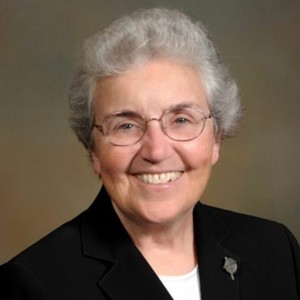
Get to Know Pierre Teilhard de Chardin with Sr. Kathy Duffy, SSJ, Ph.D.
Sister Kathy Duffy, SSJ is one of the foremost Teilhard experts in the United States. She is Professor Emerita of Physics at Chestnut Hill College in Philadelphia, where she directs the Institute for Religion and Science. She guides retreats on topics related to Teilhard’s life and work. This interview offers a fascinating and hope generating glimpse into the fascinating life of this astonishing visionary.
|
|
|
Walter Brueggemann, In Memoriam – When the World We Have Trusted In Is Vanishing
“The great Christian scholar of the biblical prophets died on June 5, 2025. Yet, in the lineage of the prophets who called humanity to face its hardest realities, this profound, warm, and timeless conversation is a stunning offering straight into our present. “The amazing contemporaneity of this material," Walter Brueggemann says to Krista in this conversation from 2011, “and we relive by relistening, is that the issues are the same: the world we have trusted in is vanishing before our eyes and the world that is coming at us feels like a threat to us and we can't quite see the shape of it." He embodied as much as taught a prophetic way of fearless truth telling, fierce hope …”
|
|
|
Van Jones: Breaking Out of Our Resistance Bubble
Excellent on being open to ideas which conflict with our own cherished beliefs … being open to everyone to break down barriers.
“Van Jones is a New York Times bestselling author, public speaker, and host of The Van Jones Show on CNN. In this in-depth interview, Tami Simon speaks with Van about the necessary meeting between spiritual practice and social activism. They discuss the currently fraught political climate and why it’s essential for everyone to break out of their respective bubbles to engage with people with diverse views. At the same time, Van emphasizes the need to combat rising hate and why we all need to stay true to what we value most in life. Finally, Tami and Van talk about the possibility of broad societal change and how spiritual people can catalyze that movement.”
|
|
|
|
|
|
|
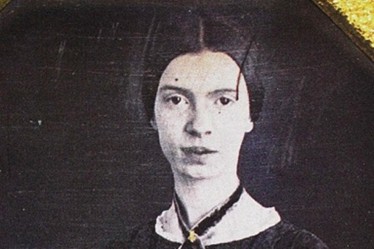
Hope by
Emily Dickinson
‘Hope’ is the thing with feathers
That perches in the soul
And sings the tune without words
And never stops – at all
These four crisp lines from Emily Dickson communicate with consummate genius what it means to experience hope in the depths of the soul.
|
|
|
Testimony by Rebecca Baggett
(for my daughters)
I want to tell you that the world
is still beautiful.
I tell you that despite
children raped on city streets,
shot down in school rooms,
despite the slow poisons seeping
from old and hidden sins
into our air, soil, water,
despite the thinning film
that encloses our aching world.
Despite my own terror and despair.
I want you to know that spring
is no small thing, that
the tender grasses curling
like a baby's fine hairs around
your fingers are a recurring
miracle. I want to tell you
that the river rocks shine
like God, that the crisp
voices of the orange and gold
October leaves are laughing at death,
I want
to remind you to look
beneath the grass, to note
the fragile hieroglyphs
of ant, snail, beetle. I want
you to understand that you
are no more and no less necessary
than the brown recluse, the ruby-
throated hummingbird, the humpback
whale, the profligate mimosa.
I want to say, like Neruda,
that I am waiting for
"a great and common tenderness",
that I still believe
we are capable of attention,
that anyone who notices the world
must want to save it.
Rebecca Baggett
(Women's Uncommon Prayers)
|
|
|
|
|
|
|
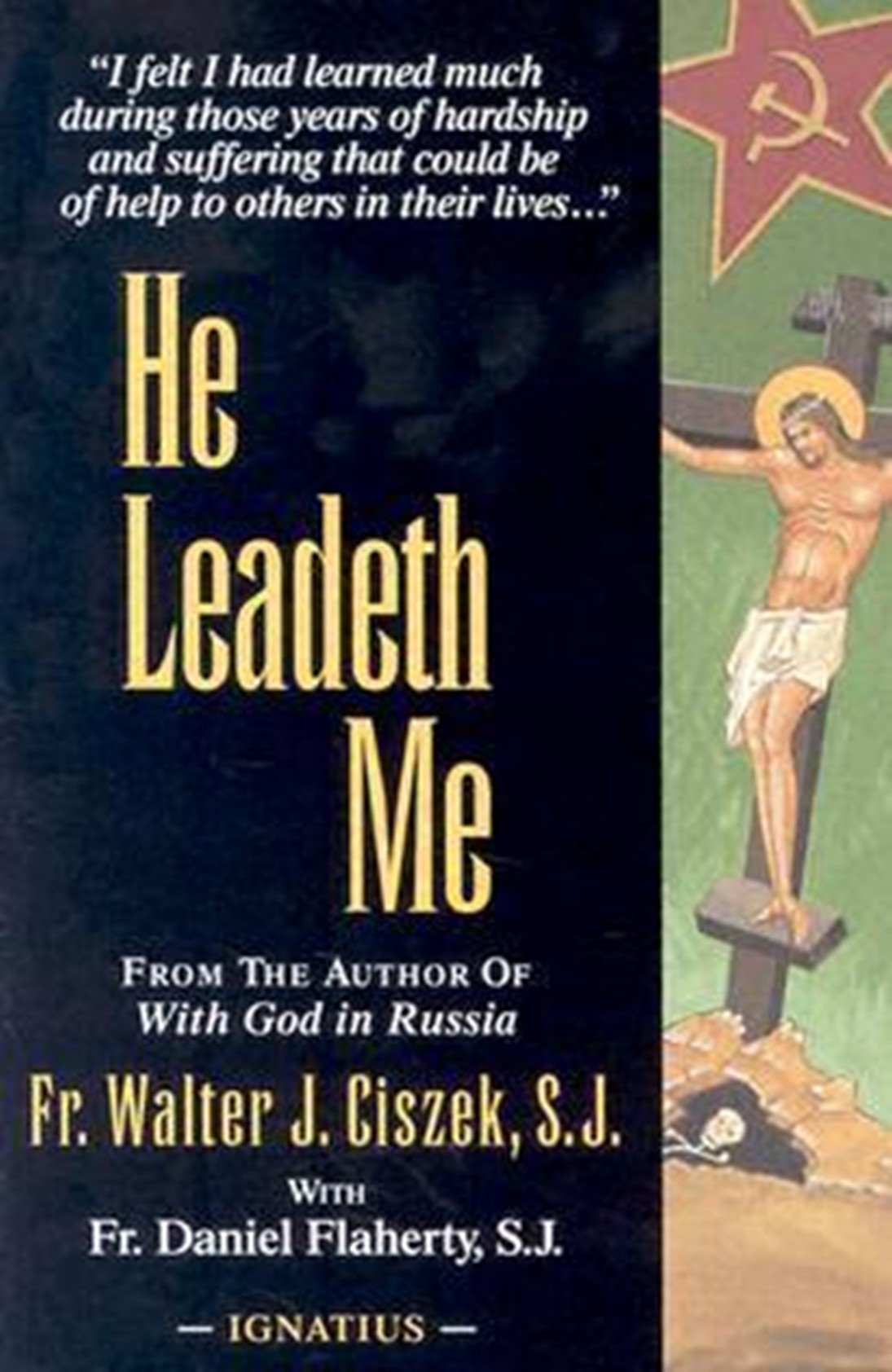
He Leadeth Me
By Walter Ciszek SJ
This is an extraordinary autobiography penned by a Jesuit of deep faith and hope. He endured unspeakable hardships which deepened his faith and hope. Truly an inspiring read.
“Through the long years of isolation and suffering, God had led me to an understanding of life and his love that only those who have experienced it can fathom. He had stripped away from me many of the external consolations, physical and religious, that men rely on and had left me with a core of seemingly simple truths to guide me. And yet what a profound difference they had made in my life, what strength they gave me, what courage to go on!”
|
|
|
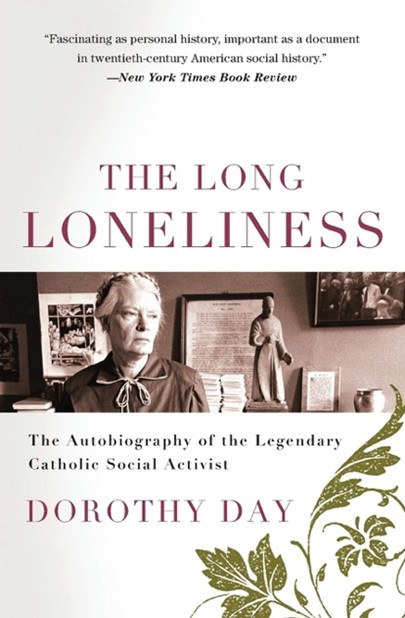
The Long Loneliness
By Dorothy Day
Dorothy Day is by any measure a remarkable woman, and a remarkable Christian. This is her inspiring autobiography. A prescient read.
"We cannot love God unless we love each other, and to love we must know each other. We know Him in the breaking of bread, and we know each other in the breaking of bread, and we are not alone anymore. Heaven is a banquet and life is a banquet, too, even with a crust, where there is companionship. … I was lonely, deadly lonely. And I was to find out then, as I found out so many times, over and over again, that women especially are social beings, who are not content with just husband and family, but must have a community, a group, an exchange with others. Young and old, even in the busiest years of our lives, we women especially
are victims of the long loneliness. …"
|
|
|
I want You to Be: On the God of Love
By Tomáš Halík
Tomáš Halík is one of the truly great communicators of what it means to be a Christian in the world today.
“The God I am talking about doesn’t dwell somewhere outside our reality but right within the movement of life and love. We share in him insofar as we are fully immersed in life and the life of love; we share in him insofar as we do not simply surf over the surface of life and do not regard love as an attractive amusement park.
Our human demonstrations of affection are often a reaction to something. They are evoked by and conditional on something (such as some person’s beauty and goodness), and quite often they are accompanied by anticipated reciprocity; we love those who love us, says Jesus. But when I talk about God’s love and God as
love, I am talking about absolutely unconditional love. “God doesn’t love us because we are good. God loves us because God is good,” is the way one contemporary author sums up the core of the Gospel message about God. …"
|
|
|
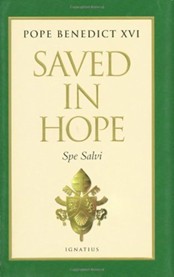
Spe Salvi
Encyclical Letter of Pope Benedict XVI
This encyclical is a beautiful extended meditation on the theological virtue of hope.
“SPE SALVI facti sumus”—in hope we were saved, says Saint Paul to the Romans, and likewise to us (Rom 8:24)….
… As Christians, we should never limit ourselves to asking: how can I save myself? We should also ask: what can I do in order that others may be saved and that for them too the star of hope may rise? Then I will have done my utmost for my own personal salvation as well. …”
|
|
|
|
|
|
|
Practical Hope
By Ron Rolheiser
“Christian hope, as we profess it in our churches, takes its root in our creeds, in what Christ revealed and did for us. Practically, though, hope takes much of its root in the congenital impulses of the private soul. Ultimately why do we keep on – with our chins up? Because even as our insignificance and the brute facticity of our mortality try to stare us down, something deeper, underneath keeps directing our lives. What? A deeper part of us has retained the dark memory of having once been given a loving promise by a power more real and more trustworthy than anything in this world. The soul remembers that it was once caressed and kissed, individually, by God. Nothing erases that. Thus, the soul knows that it means something, that it is known, that its
private joys and heartaches are not insignificant, and that it is destined for an embrace, a glory, and a significance beyond the most grandiose of daydreams …”
|
|
|
The Good News Now – Evolving with the Gospel of Jesus
By Elizabeth Johnson
“ … Christ’s resurrection grounds hope for a blessed future, not only for humans, but for the whole community of creation. And the reasoning runs like this. This person, Jesus of Nazareth, was composed of star stuff and earth stuff. He was a genuine part of the biological community of earth, existing in a network of exchange with his ecological environment. If, in death, a piece of this world, real to the core, as Karl Rahner writes, surrendered his life in love, and is now forever with God in glory, then this signals in embryo the final beginning of the redemptive glorification, not just for human beings alone, but for all flesh, all material beings, every creature that passes through death. The evolving world of life will not be left behind, but will be
transfigured in the same resurrecting action of the creative spirit that brought Christ to life. Thus, the resurrection marks the beginning of the redemption of the whole physical cosmos. With this realization, Ambrose of Milan could preach in the fourth century, in Christ’s resurrection, the earth itself arose…”
|
|
|
Four books that encourage hope: Dave Witty, Kate Solly, Brenda Niall, Thuy On
By Andy Hamilton SJ
“Reading books is sometimes a duty. So is reviewing them and arriving at judicious judgments about their achievements and deficiencies. Both reading and reviewing can become a pleasure, however, when books make us feel better about our world. This is no small gift at times when all the news seems bad, all the responses to it are gloomy, and despair hangs in the air. In this foursome I have chosen very different books that each in its own way arouse hope. …”
|
|
|
|
|
|
|
 |
Ignatian Silent Retreats – NSW, QLD, VIC, and SA |
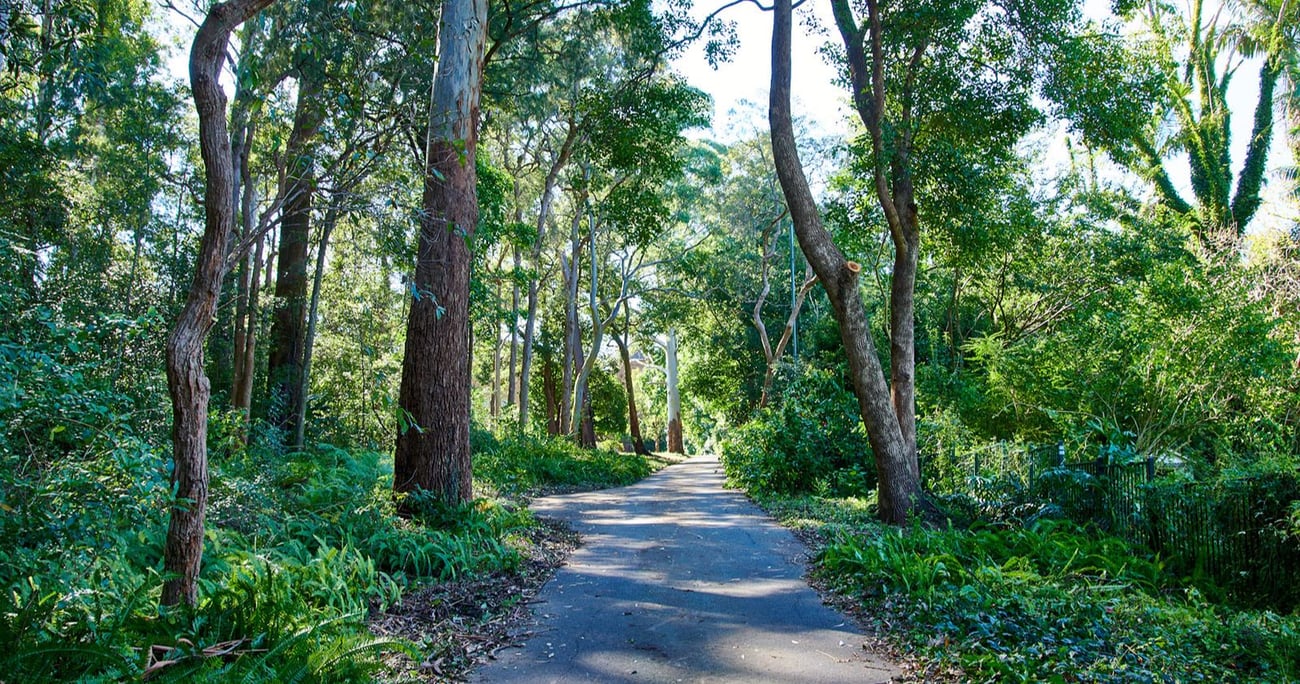
Our JISA teams of Spiritual Directors warmly welcome you to come and rest, contemplate, pray, and discern, in our Ignatian Silent Directed Retreats, available nationally.
Retreats of 2 days (2 nights), 4 days (5 nights), 6 days (7 nights) or 8 days (9 nights) in Sevenhill SA, Pymble NSW, Ormiston QLD, Cheltenham VIC, and Queenscliffe VIC.
|
| EXPLORE
|
|
|
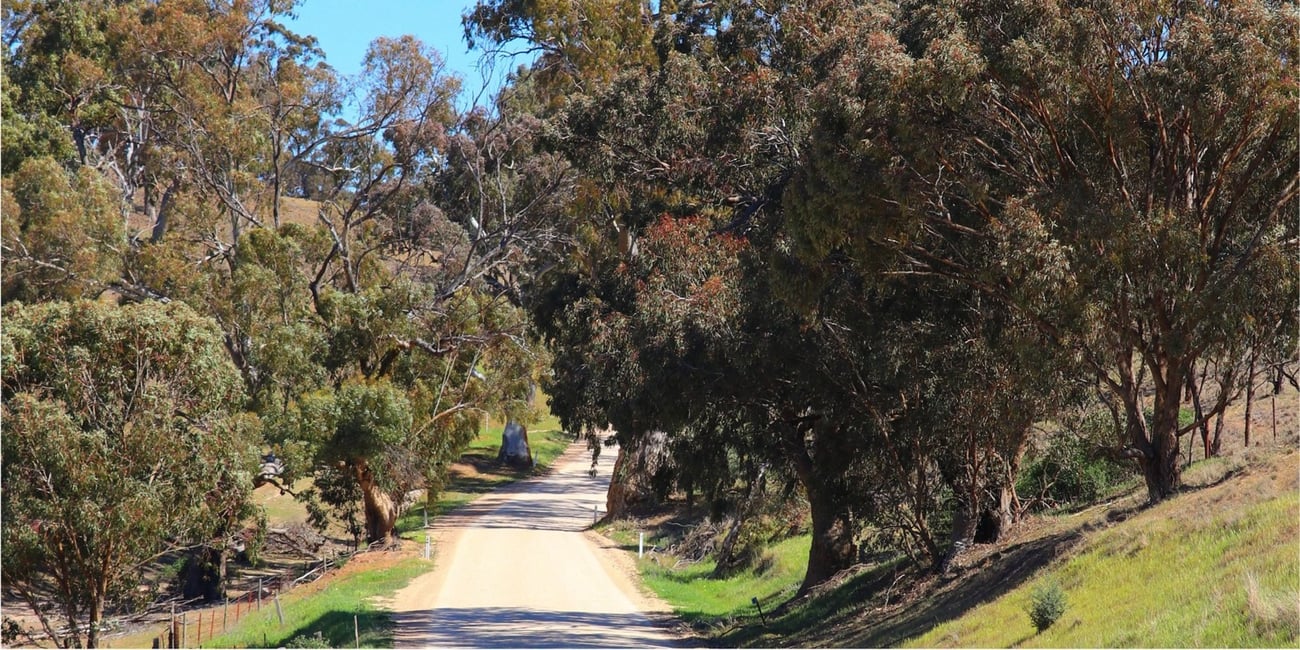 |
The Australian Ignatian Trail 2025 – South Australia |
|
Pilgrimage along The Australian Ignatian Trail in the footsteps of the first Jesuits in Australia. Step aside from everyday life, walk, reflect, experience nature day after day; time in silence, encountering and listening to God’s presence, conversation, and discernment.
4 walking days / 6 nights from Monday afternoon 15 September to Sunday morning 21 September LAST CHANCE TO BOOK
4 walking days / 6 nights from Tuesday afternoon 14 October to Monday morning 20 October APPLICATIONS CLOSE: 18 July 2025
|
| EXPLORE
|
|
|
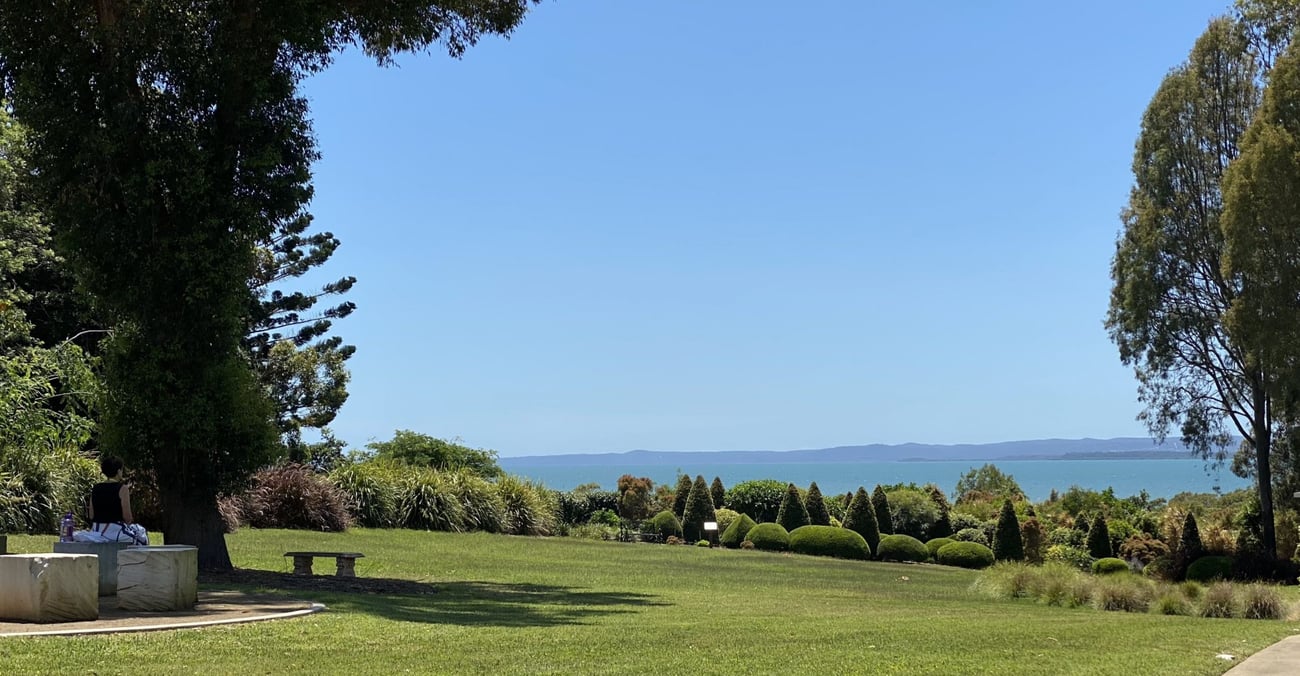 |
Ignatian Eco Spirituality 5-Day Retreat – Brisbane |
Come away to be renewed and inspired by God’s beautiful creation
This 5-day/5-night retreat you are invited to come away to find God in creation through the sensory lens of Ignatian Spirituality and the wisdom of Laudato Si’. Reflect on our world and walk the path of environmental conversion using your senses. For we cannot protect what we do not know, and we cannot know what we do not see or hear or feel. There will also be a day trip to Minjerribah (North Stradbroke Island) during the retreat (weather permitting).
Sunday 14 September 4pm – Friday 19 September 3pm 2025 (book by 11 Aug)
At the beautiful Santa Teresa Spirituality Centre in Ormiston Queensland.
|
| EXPLORE
|
|
|
 |
Come, Rest and Reflect – a Retreat Day for you, Brisbane |
Come and taste Ignatian prayer, contemplation, listening and discernment in this retreat day; a time to rest and experience God’s love, contemplate your gifts, and discern your path. Come as you are. We warmly welcome you.
A retreat day at JISA Faber in Bardon, Saturday 2 August 2025, 9am to 3pm
|
| EXPLORE
|
|
|
 |
What Makes you Come Alive? Discernment Retreat Days – Kew VIC |
|
Ignatian spirituality encourages us to attend to the desires of our hearts, what gives us life. In the same way Howard Thurman, follower of Jesus, theologian, teacher, mentor, writer, sacred activist, and a mystic, guides us in this direction. These retreat days invite you to discern what makes you come alive through the lived wisdom of Thurman.
Two retreat days on Saturday 2nd August 2025 and Sunday 3rd August 2025 9am – 4pm each day
|
| EXPLORE
|
|
|
 |
Reframing Hope Retreat Days – Pymble NSW |
|
Has life thrown you challenges and hardships? Or are you going through a time of transition? These Retreat Days amongst leafy gardens and bushland, will be a gentle time for listening, prayer in the Ignatian tradition, personal reflection, and conversation – listening to the wisdom of others in this field.
Two Retreat Days: Saturday 18 October and Saturday 22 November 2025
9am – 4pm each day
|
| EXPLORE
|
|
|
|
|
|
|
|
“We shall become bearers of hope only when, we not only possess the truth that saves, but, like Christ, our lives are such that show the way to that truth and inspire others to follow it.”
- Pedro Arrupe
|
|
|
|
|
|
|